


tint regulations in fl


Jose
Joined: Mar 2003
Posts: 819
Likes: 0

316.2952 Windshields; requirements; restrictions.--
(1) A windshield in a fixed and upright position, which windshield is equipped with safety glazing as required by federal safety-glazing material standards, is required on every motor vehicle which is operated on the public highways, roads, and streets, except on a motorcycle or implement of husbandry.
(2) A person shall not operate any motor vehicle on any public highway, road, or street with any sign, sunscreening material, product, or covering attached to, or located in or upon, the windshield, except the following:
(a) A certificate or other paper required to be displayed by law.
(b) Sunscreening material along a strip at the top of the windshield, so long as such material is transparent and does not encroach upon the driver's direct forward viewing area as more particularly described and defined in Federal Motor Vehicle Safety Standards No. 205 as the AS/1 portion of the windshield. .....
(1) A windshield in a fixed and upright position, which windshield is equipped with safety glazing as required by federal safety-glazing material standards, is required on every motor vehicle which is operated on the public highways, roads, and streets, except on a motorcycle or implement of husbandry.
(2) A person shall not operate any motor vehicle on any public highway, road, or street with any sign, sunscreening material, product, or covering attached to, or located in or upon, the windshield, except the following:
(a) A certificate or other paper required to be displayed by law.
(b) Sunscreening material along a strip at the top of the windshield, so long as such material is transparent and does not encroach upon the driver's direct forward viewing area as more particularly described and defined in Federal Motor Vehicle Safety Standards No. 205 as the AS/1 portion of the windshield. .....
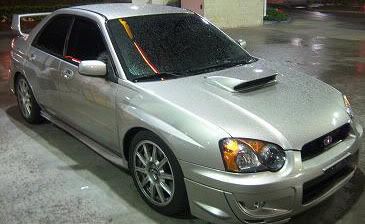
Jose
Joined: Mar 2003
Posts: 819
Likes: 0
316.2955 Window sunscreening material; compliance labeling; tolerances.--
(1) Each installer or seller of sunscreening material shall provide a pressure-sensitive, self-destructive, nonremovable, vinyl-type film label to the purchaser stating that the material complies with the provisions of ss. 316.2951-316.2954. Each such installer shall affix the required label to the inside left door jamb of the motor vehicle. In addition, the label shall state the trade name of the material and the installer's or seller's business name. Labeling is not required for factory glazing which complies with Federal Motor Vehicle Safety Standard No. 205.
(2) Every percentage measurement required by ss. 316.2951-316.2954 is subject to a tolerance of plus or minus 3 percent.
(3) The department shall adopt rules approving light transmittance measuring devices for use in making measurements required by ss. 316.2951-316.2954. A witness otherwise qualified to testify shall be competent to give testimony regarding the percentage of light transmission when the testimony is derived from the use of an approved device. The reading from an approved device is presumed accurate and shall be admissible into evidence in the trial of any infraction arising under ss. 316.2951-316.2954.
(1) Each installer or seller of sunscreening material shall provide a pressure-sensitive, self-destructive, nonremovable, vinyl-type film label to the purchaser stating that the material complies with the provisions of ss. 316.2951-316.2954. Each such installer shall affix the required label to the inside left door jamb of the motor vehicle. In addition, the label shall state the trade name of the material and the installer's or seller's business name. Labeling is not required for factory glazing which complies with Federal Motor Vehicle Safety Standard No. 205.
(2) Every percentage measurement required by ss. 316.2951-316.2954 is subject to a tolerance of plus or minus 3 percent.
(3) The department shall adopt rules approving light transmittance measuring devices for use in making measurements required by ss. 316.2951-316.2954. A witness otherwise qualified to testify shall be competent to give testimony regarding the percentage of light transmission when the testimony is derived from the use of an approved device. The reading from an approved device is presumed accurate and shall be admissible into evidence in the trial of any infraction arising under ss. 316.2951-316.2954.
Jose
Joined: Mar 2003
Posts: 819
Likes: 0
^ these are all the FL statutes concerning window tiniting and here's the site http://www.flsenate.gov/Statutes/ind...EChapter%20316
i have 15% tint all around except for the windsheild, it's not dark at night unless there is no streetlights. i've never had a visibility problem and never been told my tinit was too dark, i've been pulled over several times. if u get pulled over and you feel your tinit might be too dark then just turn on your dome lights.
i have 15% tint all around except for the windsheild, it's not dark at night unless there is no streetlights. i've never had a visibility problem and never been told my tinit was too dark, i've been pulled over several times. if u get pulled over and you feel your tinit might be too dark then just turn on your dome lights.

Sweet Lincoln's mullet
Joined: Jun 2003
Posts: 667
Likes: 0
Originally Posted by sentra of attention
^ these are all the FL statutes concerning window tiniting and here's the site http://www.flsenate.gov/Statutes/ind...EChapter%20316
i have 15% tint all around except for the windsheild, it's not dark at night unless there is no streetlights. i've never had a visibility problem and never been told my tinit was too dark, i've been pulled over several times. if u get pulled over and you feel your tinit might be too dark then just turn on your dome lights.
i have 15% tint all around except for the windsheild, it's not dark at night unless there is no streetlights. i've never had a visibility problem and never been told my tinit was too dark, i've been pulled over several times. if u get pulled over and you feel your tinit might be too dark then just turn on your dome lights.
__________________
-Derek-
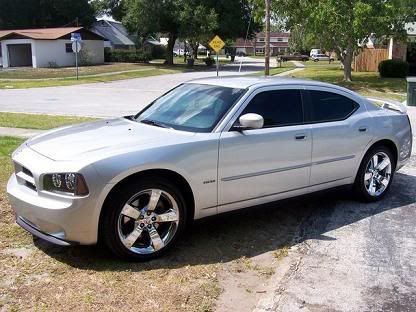
-Derek-

Thread
Thread Starter
Forum
Replies
Last Post


