By
Peter Corn - May 1, 2026, 11:36 AM ET
El Paso to Talladega: The kaleidoscopic life of Marty Robbins
There was a day, not that long ago, that we did not recognize someone singing outlaw ballads at the Grand Ole Opry on Saturday night, still with grease under his nails from running a NASCAR race earlier that afternoon, as being terribly disparate. Marty Robbins surely didn't see the two things as anything other than Saturday's "to-do" list. He was that kind of guy – the kind that not only country music was built on, but also that we can’t seem to produce anymore. If you don’t know Marty Robbins, you likely know his music; he recorded more than 500 songs, won two Grammy Awards, scored 16 number-one hits, and was inducted into the Country Music Hall of Fame.
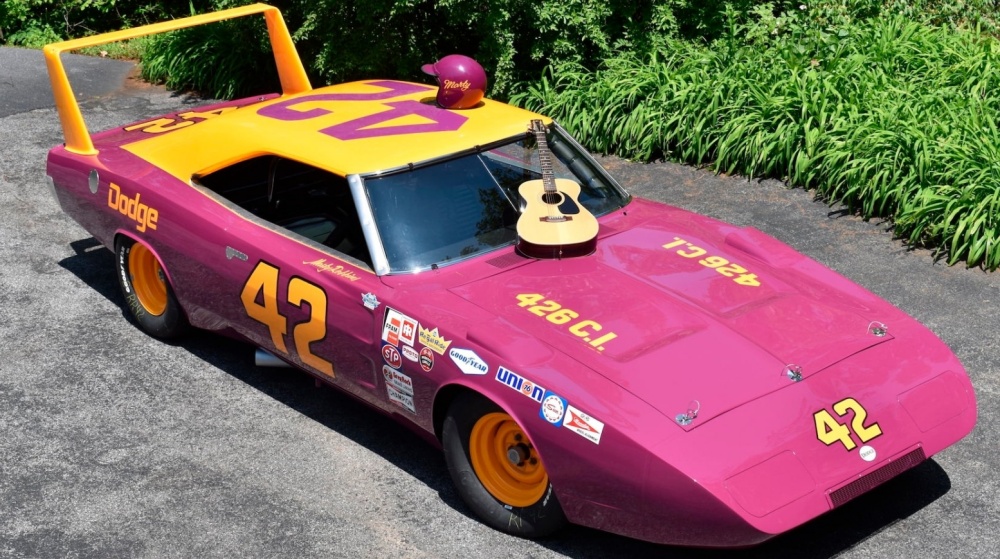
When he wasn't headlining the Opry, he drove a magenta and chartreuse Dodge Charger at Talladega at speeds that would make Nashville record label execs wet their fancy suit pants today. He cemented himself as one of the greatest of the cowboy troubadours while not just driving in NASCAR races, but being competitive, and often on the same day. This was his life. He wasn’t “building a brand” or doing the spidery work of marketing to sell more records; he did it because it never once occurred to him that he shouldn't.
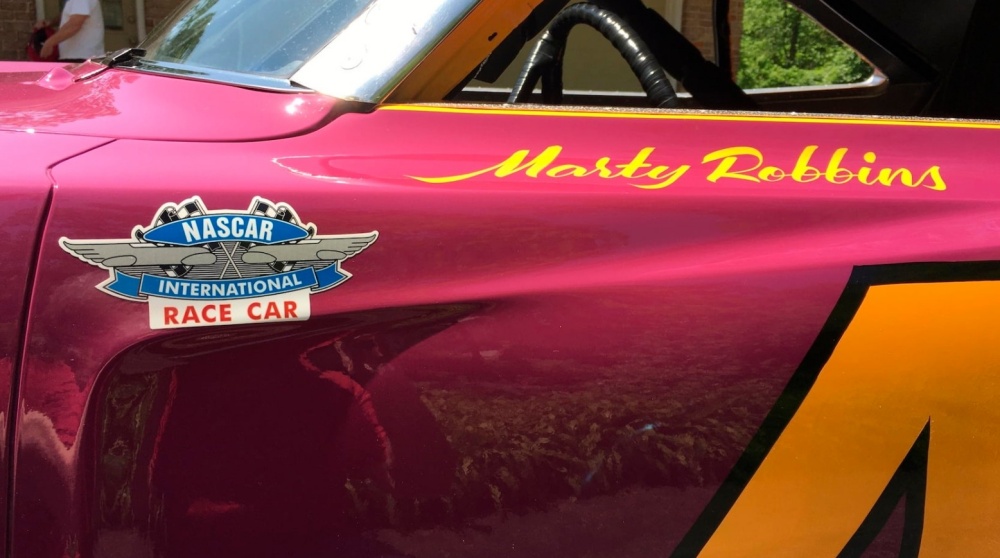
Courtesy of Mecum Auctions
The two worlds Robbins inhabited – outlaw country music and stock car racing – were, in the 1960s and '70s, closer relatives than most fans of either category might recognize today. Both were working-class, Southern-rooted, and deeply suspicious of anyone who thought they were too good for either. Both rewarded raw talent over pedigree and valued someone who showed up and did the work over one who merely talked about it. Both operated on a kind of unspoken code of respect that ran deeper than anything written down or spelled out in contracts. And both, frankly, could get you killed. Robbins moved between these worlds as naturally as most people move between rooms in their own house, because to him, they were just rooms in the same house.
Who is Marty Robbins?
Let’s start here. Marty Robbins is not only an American music icon, but he is a sort of American mascot, for better or worse. At 12, Marty and his nine siblings and their mother, a Paiute tribeswoman, moved from Glendale, Arizona, where he was born, to Phoenix. It was here that “Texas” Bob Heckle, Robbins' grandfather – a Paiute medicine man and storyteller – wrapped young Marty in tall tales of the Wild West. Between his upbringing led by native storytellers and a three-year stint in the Pacific during WWII, where he learned to play guitar, the roots of the cowboy balladeer dug deep into American culture.
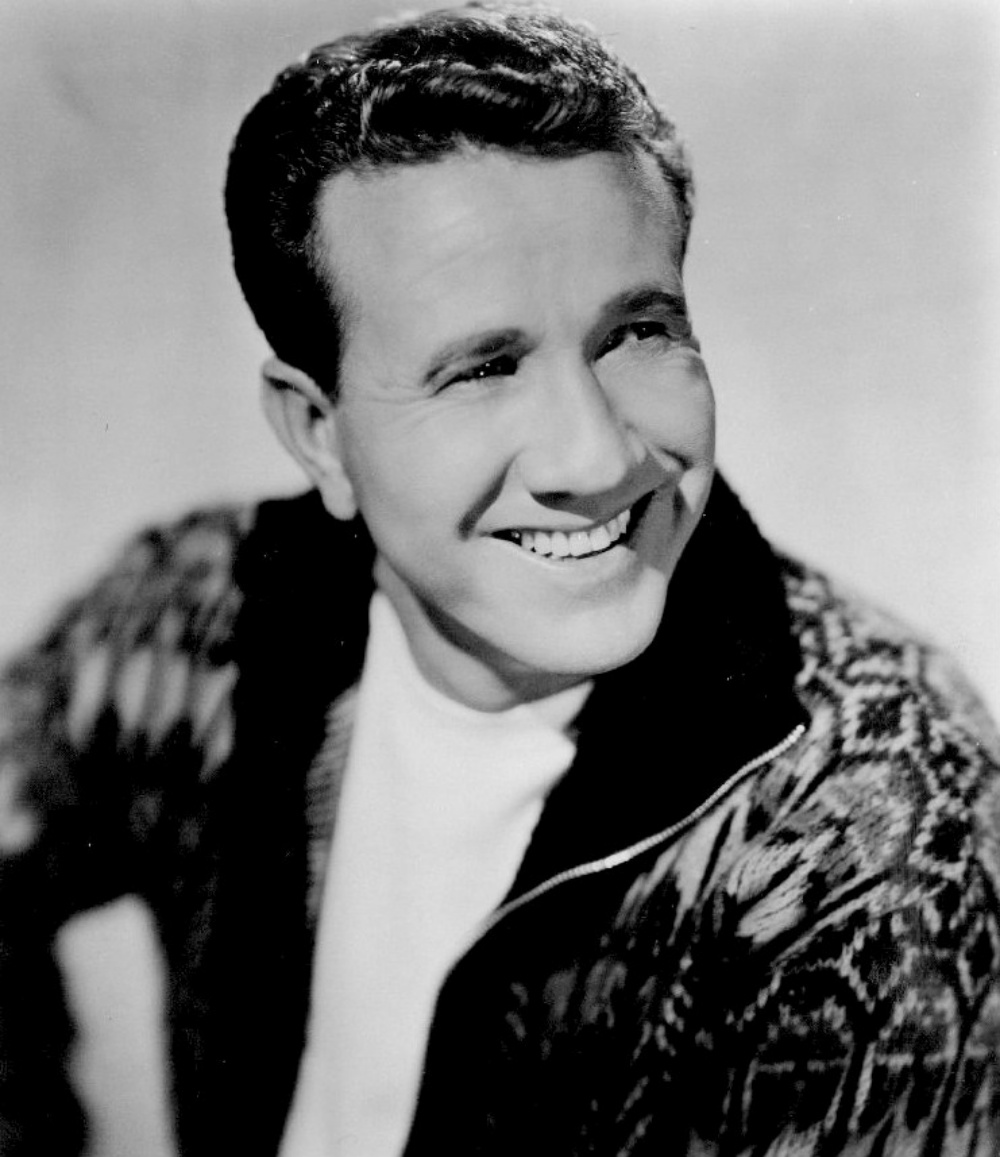
Wikimedia Commons
After his time in the Navy, Marty and his wife, Marizona, started their family. Marty put all that time on the ship, learning to play guitar, to work as a local singer-songwriter. It wasn’t long before Robins was a known figure on the Grand Ole Opry, where Little Jimmy Dickens, another country legend, hooked him up with the suits at Columbia Records. In 1952, Robbins dropped his first hit single, “I’ll Go on Alone,” rocketing to the top of country music charts.
Marty Robbins went on to record a pile of hit cowboy songs about outlaws, beautiful Mexican girls falling in love with tall, handsome gunfighters, border towns, and the final moments of scary men. These songs started by capitalizing on the 1950s obsession with the American West, but would eventually come to define it, no matter how romanticized and whitewashed his version was.
How the voice of the angels became the most beloved racer in the NASCAR garage
The singing cowboy came to racing the way most serious enthusiasts do – through youthful dreams. Little Martin Robinson grew up rooting for the Bettenhausens and Jimmy Bryan at Indianapolis, the way other kids rooted for baseball teams. When Little Jimmy Dickens brought him to Nashville and the Grand Ole Opry made him a star, his new home was within earshot of racing at the Fairgrounds. By the summer of 1959, he and his son Ronny were watching a micro-midget race north of town when Robbins decided he was done being a spectator.As any good American might, Marty bought a race car. Then he bought another one. We know how this goes.
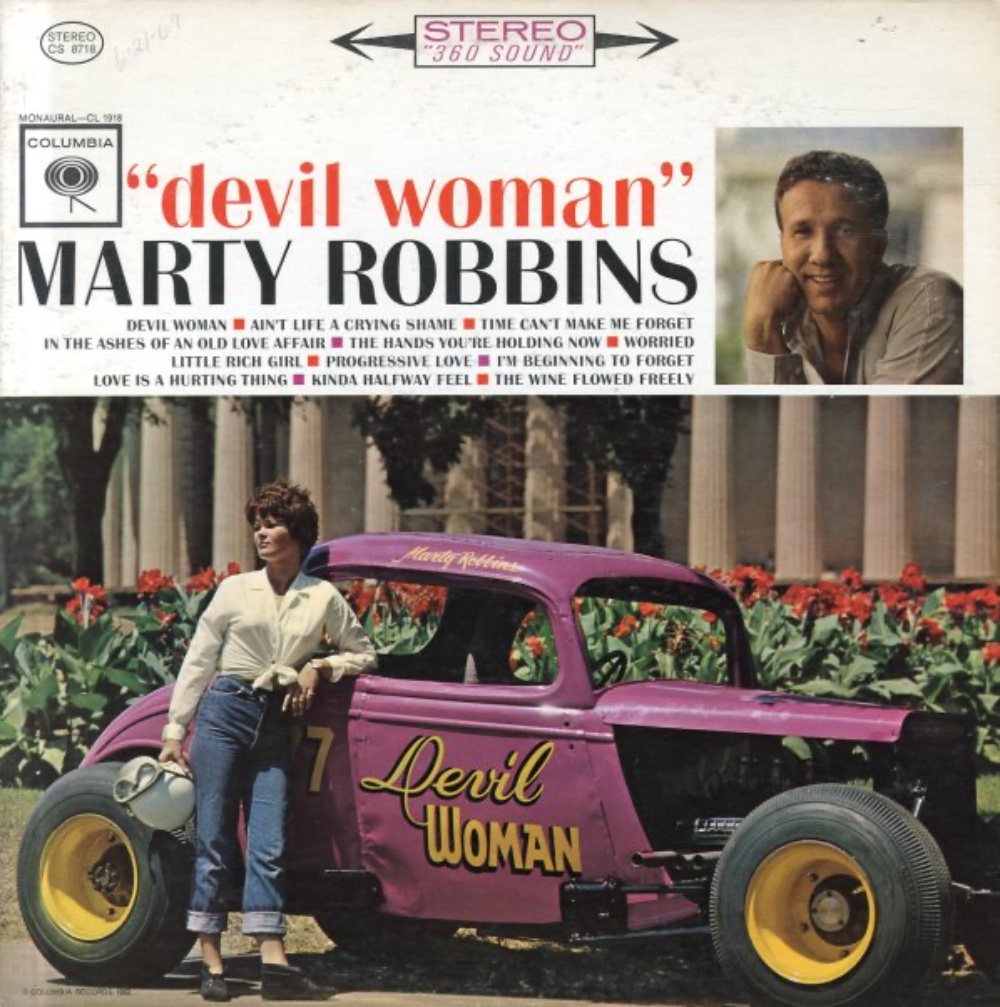
Columbia Records
His first serious machine was a 1934 Ford coupe – the very same "Devil Woman" car featured on the cover of his album of the same name – purchased from a local racing legend named Preacher Hamilton (what a name!), whose son Bobby would later become a name familiar to most NASCAR fans today.
--------------------------------------------------------------------------------