Ford Plant Turned into a Mall? Fans Know the Way to San Jose
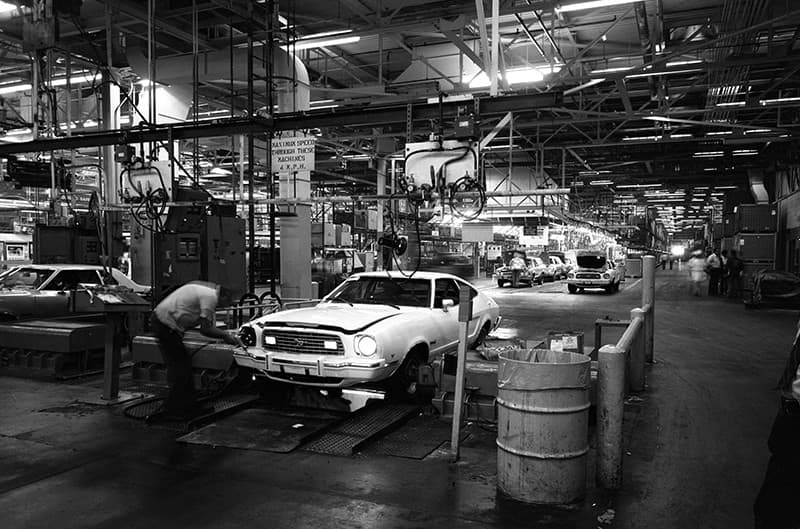 MILPITAS, CA --
 Modern automotive assembly plants are usually the size of small towns, with similar sized populations. They are most often named after the cities in which they are located (or by the main streets on which they sit) and become famous and are identified by those names – such as the early Ford
Model T plant on Piquette Avenue in Detroit – which became forever known as Piquette. The famous Lincoln, Continental and Thunderbird factory was located at 28801 South Wixom Road, in Wixom, Michigan, and was logically enough nicknamed Wixom. The now-gone assembly complex in
Lorain, Ohio, home of the Econoline van and many mid-sized Fords, was known simply as Lorain. Another storied Ford factory was located in an unincorporated area of San Jose, California, and of course earned the right to be referred to as Ford San Jose, or “the San Jose Plant.”
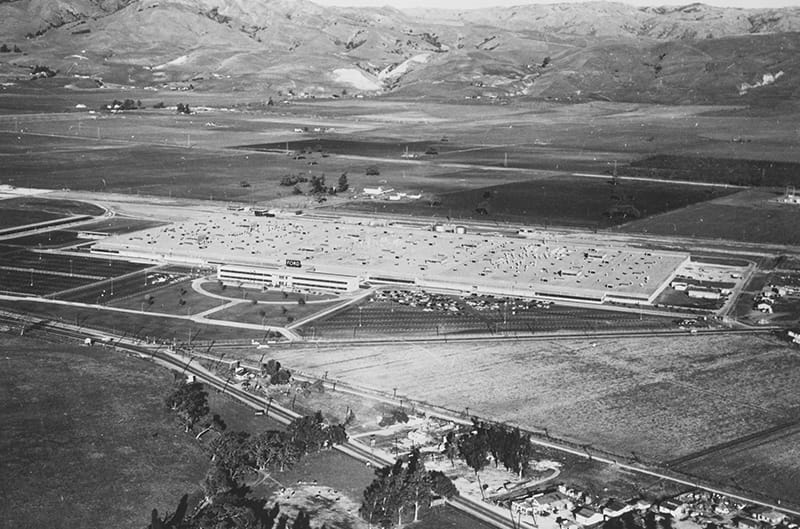
This location was massive in every dimension, designed and built to take over for the Richmond, California, Ford plant that was built in 1930. Massive? Indeed. The new San Jose factory comprised 1,414,000 square feet. That’s the equivalent of 24.54 football fields, or about 32-and-a-half acres ---
under roof. We could also express this figure in terms of aircraft carrier decks, but you get the idea. A big place. Large enough to run multiple production lines (including paint and powertrain), and employ 6,000 people. San Jose cranked up those lines for the first time on May 17, 1955.
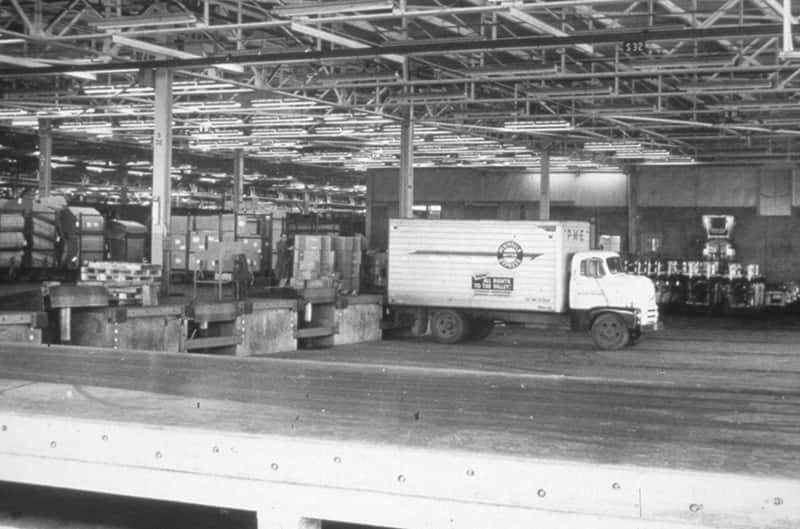
It was also planned to be a busy place -- originally a Ford brand-only facility, but over time, other Ford house-brand vehicles were produced there. Ford historian Phil Skinner advises that “some of the other brands, like Edsel and Mercury, weren’t initially welcomed with open arms by the line workers,” who felt singular pride and allegiance to the Ford nameplate. Ultimately, those feathers were smoothed out, and everybody got along. Over time, most of Ford’s bread-and-butter models called San Jose home. Among them are the
Ford Falcon,
Maverick and
Mustang (and Mustang II), including most of the Mustangs that went on to become Shelby models between 1965 and 1970, as well as both of the 1968 Mustang GT390 fastbacks used in the production of Steve McQueen’s epic
Bullitt movie.
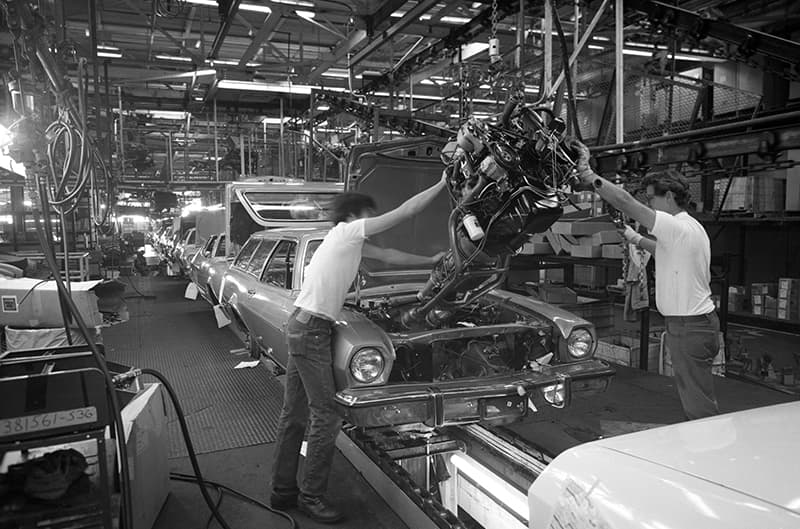
San Jose was also the West Coast manufacturing location for the Fairlane,
Torino,
Pinto,
Escort, and
Edsel Ranger and
Pacer models.
Mercury products such as the Mustang-based
Cougar,
Montego,
Comet,
Bobcat,
Capri and the
Lynx were also assembled there.
Ford F-Series trucks were produced there as well, nearly from inception of the plant until its closure in 1983.