Ford Backs The ’21 Dream Cruise, but Old Woodward Tour Was A Hit In ’20
 DETROIT, Mich. –
 By now, the whole automotive world knows that Ford Motor Company has stepped up to sponsor Detroit’s annual Woodward Dream Cruise for 2021. You’ll recall that the big event -- and Ford’s famed “Mustang Alley” portion of it -- was canned last August due to the COVID-19 lockdowns, but even that that didn’t stop some automotive diehards from “unofficially” cruising up and down the Woodward Avenue route in relative desolation. You can read our Woodward coverage for the past few years in the Enthusiasts section of FordPerformance.com.
“Once again, Ford Motor Company is stepping up to lead Woodward Dream Cruise, and we look forward to returning and elevating our annual tradition that puts Metro Detroit’s automotive scene and culture in the international spotlight,” Tony Michaels, the executive director of Woodward Dream Cruise, said in a pre-event press release. “Ford has consistently helped to make the cruise stronger, more engaging, more culturally relevant and more valuable to the Detroit region, and we are incredibly grateful for that.”
So what’s this whole Woodward Avenue thing all about? As a born-and-raised Detroiter, the historical importance of Woodward Avenue in automotive history has long been a source of Motor City pride. In fact, Woodward Avenue is one of America’s most iconic roads. The avenue was named after Augustus B. Woodward, the first Chief Judge for the Michigan Territory. Woodward was credited with working to help rebuild Detroit after massive fire in 1805. The first mile of concrete highway in the world was built on Woodward – between 6 Mile and 7 Mile roads – back in 1909. And by 1916, the remaining 27 miles of Woodward was paved.
Another first came in 1920, when Woodward became the first place that a three-color traffic signal was installed – invented by a black Detroit Policeman named William L. Potts. Perhaps fittingly, Woodward also has the distinction of being the first public road on which a ticket was written for street racing. It happened on March 17, 1895, when two unidentified motorized vehicles were caught by police racing up Woodward just before dawn.
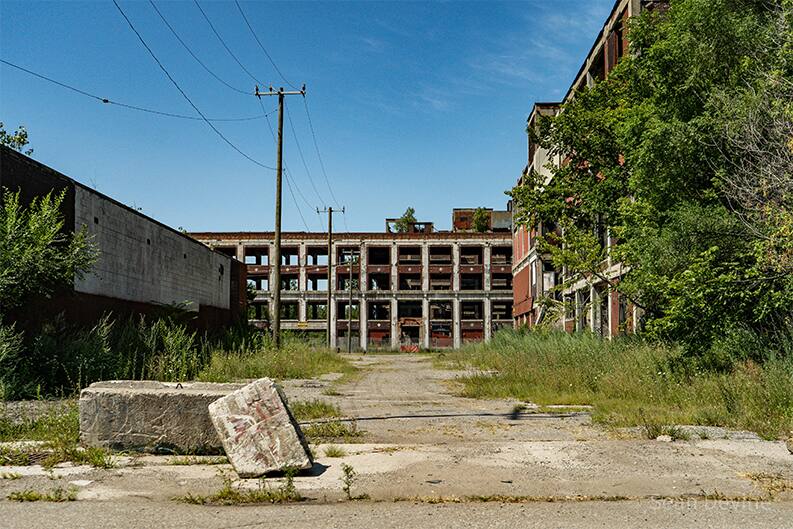
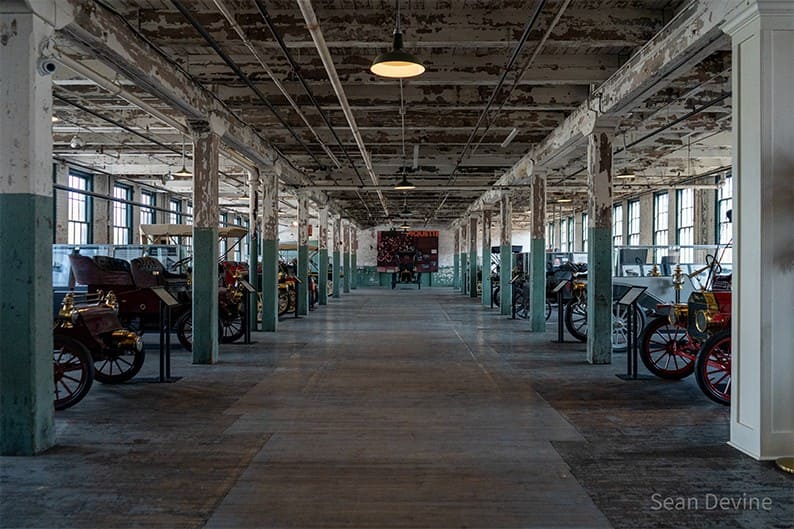
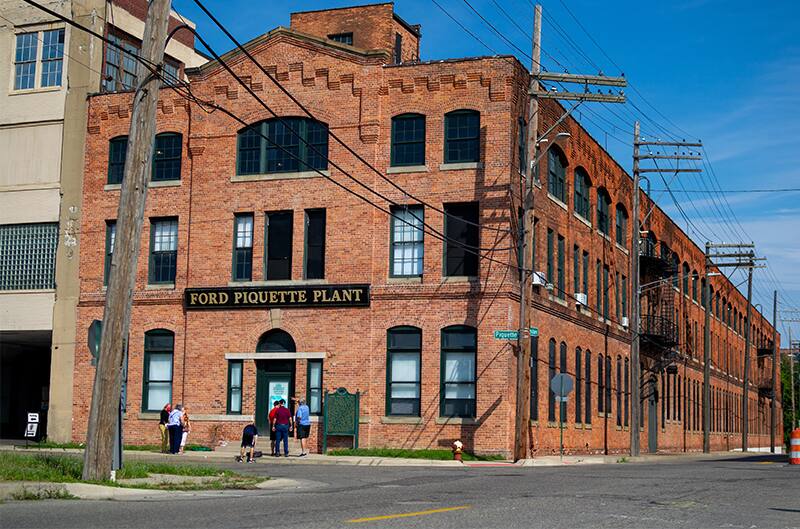
And of course, the American auto industry was born near Woodward, with Ford’s first Model T factory, the Piquette Avenue Plant, just a few hundred feet off Woodward, before the world’s first moving auto assembly line was implemented on Woodward at Ford Motor Company’s massive Highland Park Assembly facility. Henry Ford himself lived near Woodward, at 58 Bagley Avenue. A workshop behind his home is where he created his first gas-powered vehicle. Chrysler was also founded just blocks from Woodward Avenue, at a Highland Park property where the company headquarters stayed until 1992.
For me, Woodward Avenue is . . . well, personal. Woodward was the place where, in my youth, I had witnessed both the rise and demise of the Muscle Car Era. By the mid-1960’s, Woodward’s claim to fame was that the avenue crowded with young cruisers each night was being used by Big 3 engineers as an after-hours proving grounds of sorts for their latest and greatest muscle car advancements. But by the mid-1970’s, Woodward became a car-culture battleground where the policies of local law enforcement, insurance companies, the EPA and OPEC effectively drove street racing and performance cars from the public consciousness.
Yes, the Woodward Dream Cruise is much more than just a celebration of our automotive past. It’s a worldwide recognition of the Motor City’s manufacturing mastery. The place that put America – and the whole world – on wheels. The place that helped win World War II with The Arsenal of Democracy. The place that gave birth to the middle class with a living wage. And the place where the future of mobility will be designed.