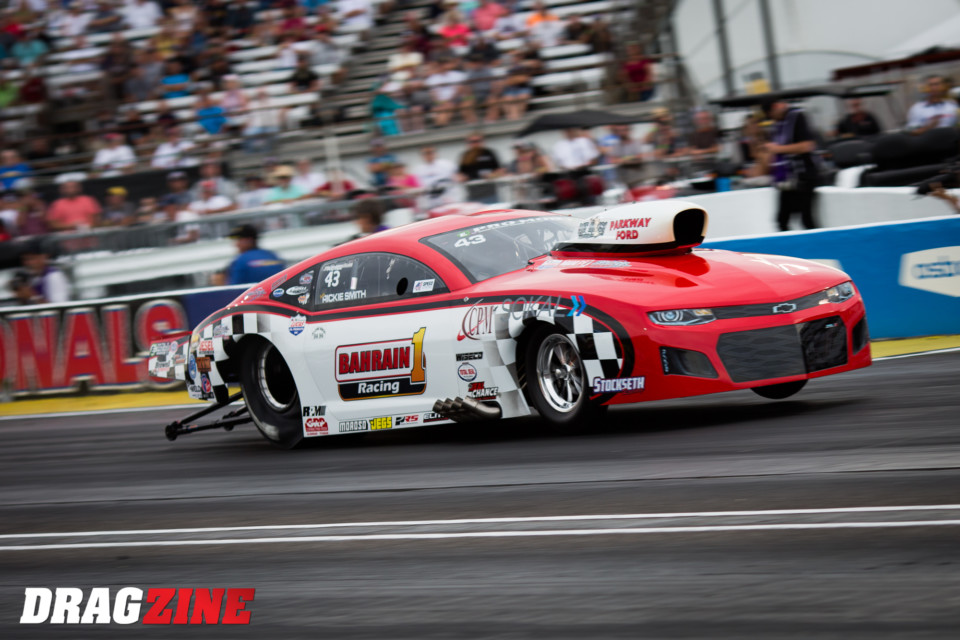
With parity being vital in such a competitive class, the initial rule package becomes very important. If you were running a nitrous combination in the 910-inch configuration and moved to the 960-inch rules, the weight penalty is 75-pounds. The ProCharger combination can run at the same weight as roots-supercharged combination, 50-pounds under the turbo combos. But where do these numbers come from? The NHRA is known for offering unique track surfaces compared to other sanctioning bodies. It also still competes in the 1/4-mile format. This offers unique challenges for creating a ruleset that offers parity from the start.
---------------------------------------------------------------------------------------------------------------
“So, looking at each new combination, it becomes a little tough. Obviously we haven’t run them in the right conditions—same track, same day, all the above,” Walliser explains. “We did try to do that with the ProCharger. We didn’t get exactly the data we wanted, but we felt we got enough data that we could implement that into our series, and we had a starting point that we felt somewhat comfortable with. That said, if adjustments are needed, we’re certainly going to do that.
“I don’t think that other sanctioning bodies, other events, and other data from those really mean a whole lot. Some were 1/8-mile, and you just didn’t have comparable equipment that we typically run. We certainly didn’t get the performance out of the machines that we wanted. But we felt that we have enough information. We were able to download data from the vehicles and look at incrementals on timeslips. We felt we had enough information that we could initiate the conversation of implementing them in 2020.”
The NHRA’s addition of the 959 nitrous combo and the HEMI ProCharger combo is meant to attract new entries. But we are also hearing about existing competitors making the move to the new combinations, primarily on the ProCharger side. Pro Line Racing has been one of the biggest proponents of this addition to the boost side of the class, and most centrifugal competitors will run under the Pro Line flag.
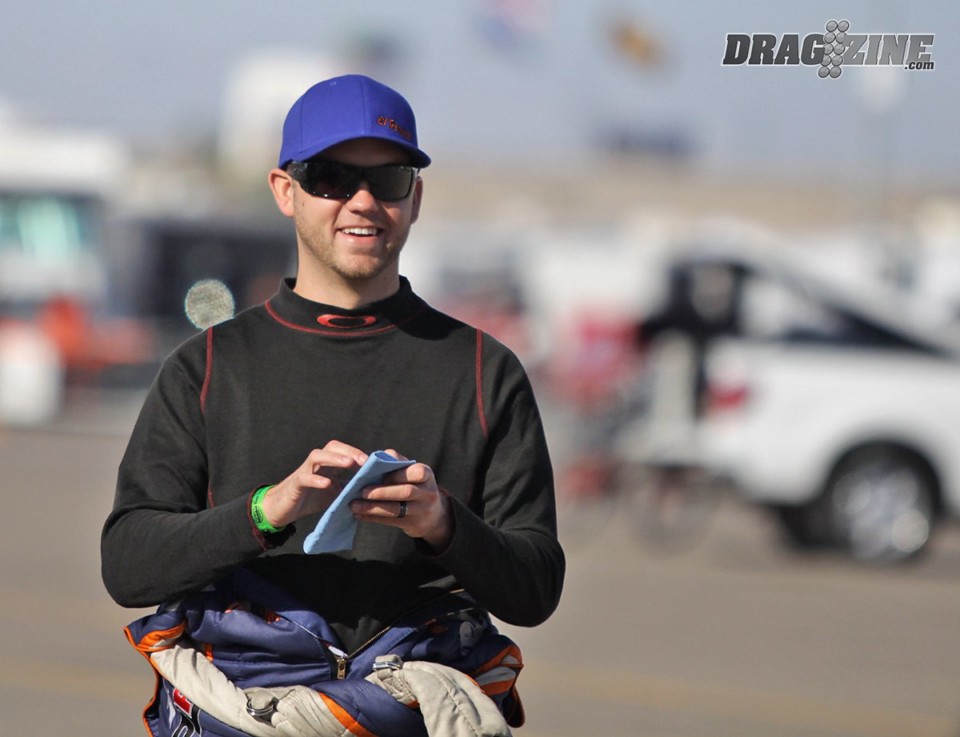
“I think for us, the first thought is just being able to offer another avenue for our clients to come out and compete on the NHRA level,” explains Eric Dillard, owner of Pro Line Racing. “But we’re hoping, and it’s looking to be that there’s going to be a lot less cost overall. The turbo deal is what we built our business off of. We still love it, but the ProCharger deal is a way more manageable combination, especially for new teams. We promote that because at the end of the day, let’s be honest, [Pro Mod] has kind of gotten out of control financially. To be able to control some of the costs and even the support that goes along with it is a huge thing to continue moving this deal on.”
When you compare the turbo combination to the ProCharger, the benefits do go beyond the potentially reduced cost to compete.
…let’s be honest, [Pro Mod] has kind of gotten out of control financially. To be able to control some of the costs and even the support that goes along with it is a huge thing to continue moving this deal on. – Eric Dillard, Pro Line Racing
“They’re very easy to drive, and they’re a lot easier to maintain. I’m not going to say they’re easy to tune, because none of this stuff is easy to tune. They are definitely more straightforward on the tuning front,” Dillard explains. “I always say the cream is still going to rise to the top. You can definitely bring out a ProCharger combination and if you have a good understanding of running a race car, nitrous or blower, you’re going to be competitive right off the bat.
“You’re still going to have your guys that do it for a living and made it a career that are going to be competing at a top-level. But man, you’re going to come out with a ProCharger deal and be closer to the front of the pack than with turbos. It takes a brain-trust to run a turbo car and to do it competitively. So, I think our biggest push for ProCharger in NHRA is for that reason.”
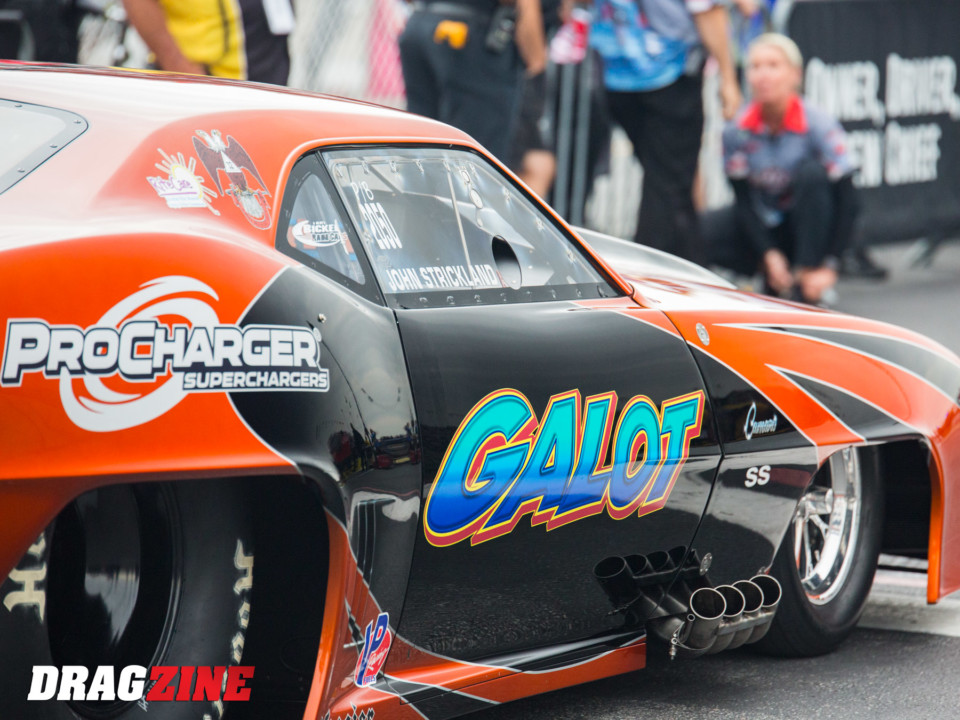
Any time a new combination is added to an already competitive class, the learning curve can be steep. The issues associated with a new combination primarily stem from a lack of data. But this doesn’t guarantee ProCharger competitors will be at a disadvantage.
“I think it’s going to be pretty competitive right off the bat,” Dillard adds. “I think the difference is, it has the potential, but the amount of data you need to go run NHRA [isn’t there]. NHRA tracks are good, but they’re a lot different than anywhere else we race. So, you can’t test for an NHRA track. You can’t do anything other than go run the race. You got guys with blower combinations like the Al-Anabi group and Stevie [Jackson], that have countless runs and data to go down those racetracks for the combination they’ve already been running for years.
“We took our PDRA cars over there to do exhibition stuff. What we’re used to running on, versus showing up to an NHRA track, it’s like starting all over again. I think we’ll have a combination that is going to be able to compete. But I think we’re going to have to make a lot of runs to get the data we need. Gainesville will be closer to what we’re used to. But as soon as things start to shift and the heat comes around, we’re going to have to work really hard and make runs to be able to run up front, we know that.”
With Pro Line’s ProCharger experience in the outlaw racing world, the engine builder is not simply going in blind. They know the strength of the combination and have loads of NHRA experience, be it in the turbo side of the class. But is this enough to put together a package competitive enough to win from the start?
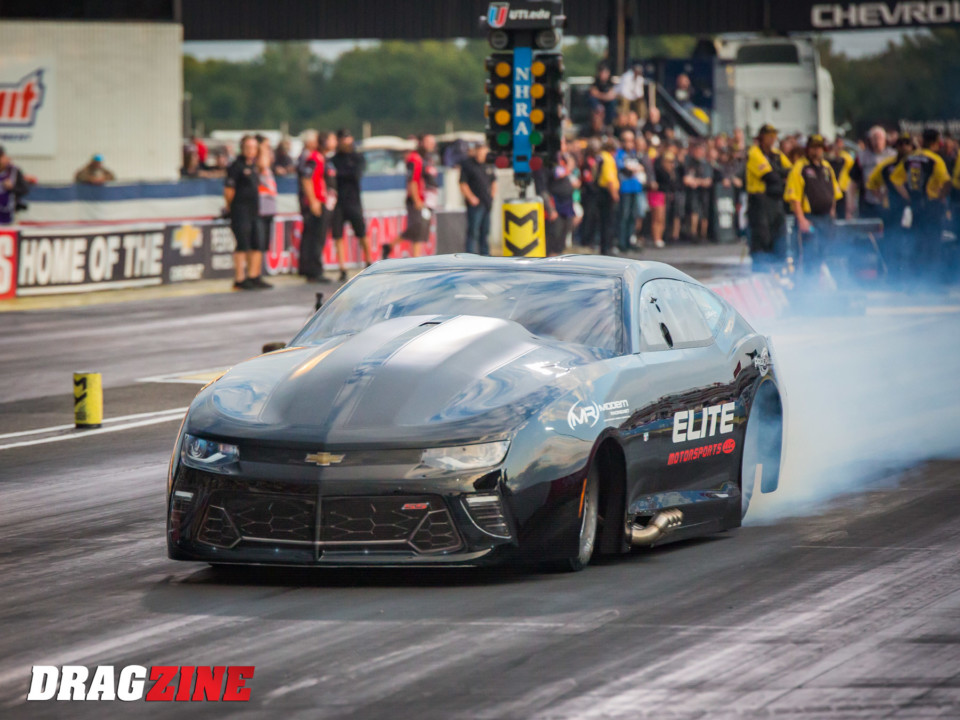
“I don’t think it’ll be that easy,” Dillard tells us. “Even when those tracks are good, there’re still that much different than what we’re used to. I think we’ll have a very good chance of qualifying and maybe going some rounds. The likelihood of winning a race when you’ve got guys that have already been mid-5.60s in the current ruleset who have data for those exact conditions, that’s going to be tough to compete with. After Gainesville, if we get everybody in the show, if we’re even anywhere near the top half of the field with a brand-new combination, and we’re only two or three numbers off the pace, we’re going to be extremely happy.”
The first round of Pro Mod qualifying in Gainesville will certainly be exciting to watch. The racing world will have its eyes on these new combinations as they take to the track for the first time. Will the boosted combinations stay the course of dominance, or will the nitrous combos fight to regain the throne? Only time will tell. But we will certainly watch from the edge of our seats to see how it all shakes out.