616 shares
Quick 10 — A Ten-Spot of Handy Engine Tips, Hints, And Procedures
By
Jeff Smith January 09, 2020If you work on cars long enough, you pick up on certain shortcuts and ideas that can save you aggravation, time, money or — hopefully — all of the above. When we visit shops, we like to pay attention to the little things we can write down and pass it along. We certainly don’t take credit for creating these ideas, but we did take the time to write a few down with the intent to pass them along to you. You might
remember a previous article full of tech tips that everyone seemed to enjoy, so here’s another installment with ten more handy tech tips.
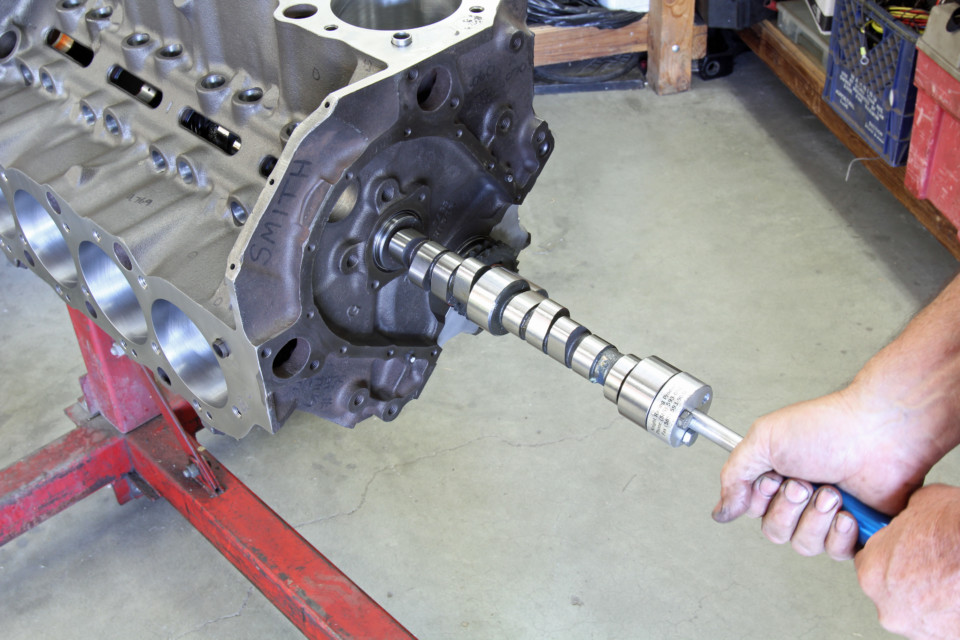
1. Cam in First
We’ve learned to always check a new camshaft in an engine with new cam bearings for proper fit before installing the rotating assembly. A good engine builder will tell you this avoids issues of discovering one cam bearing is too tight, preventing you from installing the cam. This happens more often than you might think. Often, the bearing must be replaced, and having to work around the crank and rods is a hassle. By installing the cam first, you avoid that dilemma. This tip came from our friends at Jim Grubbs Motorsports in Valencia, California.
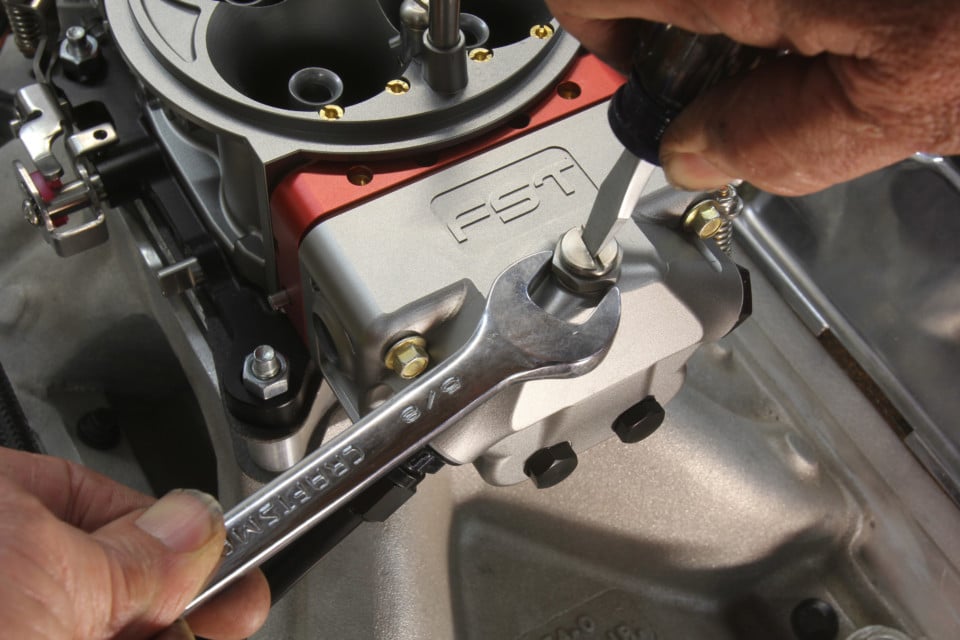
2. Four Flats Equals Two Jets
We learned this little tip from Phil Freelander at
FST Carburetors based on his decades of experience. There are six flats on a Holley carburetor float adjustment hex-head screw. If you raise or lower the float level adjustor by four flats (two-thirds of a turn), this is the equivalent of two jet sizes. For example, raising the float level four flats would be the same as changing from 78 to 80 jets. Lowering the float level will lean the air-fuel ratio.
This is based on the height of the fuel level in the float bowl. Increasing the float-height richens the mixture because it increases the pressure on the main jets located at the bottom of the column of fuel in the bowl. This is not a carved-in-stone rule, but changing the float level will certainly affect the overall air-fuel ratio and can be used for minor changes in overall jetting. It’s best not to alter the float level beyond this point in either direction — but if you need to make a change in a hurry, it will work.