Bang For Your Buck: Tire Maintenance With Toyo Tires
By
Artie Maupin September 12, 2019On any given day, you walk out to your car or truck, hop in, and take off. The tires on your vehicle obviously play an important role as to transporting safely, but people often overlook tires and keeping them maintained. Keeping a set of tires maintained and cared for will result in a long, safe life for them. We’ve teamed up with
Toyo Tires to discuss the importance of tire maintenance and a few simple tips to ensure your tires last a long time.
Proper inflation of tires is critical. If the amount of air in the tires isn’t correct, it is dangerous to drive on. In fact, in recent searches by the National Highway Traffic Safety Administration, facts have shown about 30-percent of cars and trucks have at least one tire under-inflated by 8 psi or more. The leading cause of tire failure isn’t from ordinary wear and tear. It’s actually due to under-inflated tires or overloaded vehicles.
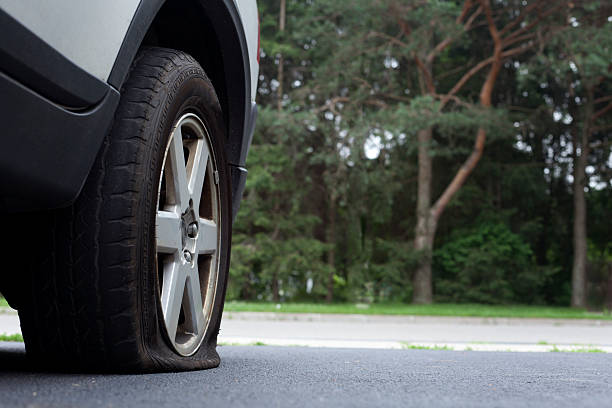
So, how can this be prevented? Toyo recommends you purchase an accurate tire pressure gauge and check the pressures at least once a month along with general overall condition. Something that takes just a few seconds can decide whether or not your tires will allow you to make it to your destination. If you’re unsure about what your tire pressures should be, the proper amount will be listed in your owners manual or on the tire itself.
For those of you who have upgraded to a larger or different tire, same goes to you. The correct pressures will be listed on the sidewall of your tire. Not only will this ensure safety and longevity of the tire, but correct pressures will also increase fuel economy.
NOTE: Always check the tires pressures while they are cold. If you check them after they have been driving, the pressure will not be accurate. When you drive, the friction between the road and the tires will cause pressure inside the tire giving you a false reading.
Other Tips
- Never “bleed” or reduce air pressure when tires are hot. It is normal for pressures to build up as a result of driving.
- Make sure all tire valves and extensions are equipped with valve caps with rubber gaskets to keep out dirt and moisture.
- Have a new valve stem assembly installed whenever a tire is replaced.
- Underinflation or overloading creates excessive heat and can lead to tire failure, which could result in vehicle damage and/or serious injury or death.
Tire Rotation
Tire rotation is probably the most overlooked item on the maintenance list. The purpose of regularly rotating your tires, big or small, is to achieve equal wear for all of the tires on the vehicle. Rotation is important because each tire is different and loaded with different weights meaning they will wear differently. To ensure the tires are always wearing the same, you can simply swap them around.
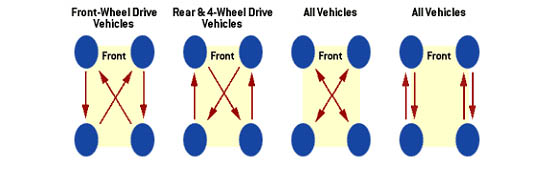
Everyone has their own way of rotating tires, but Toyo has kindly offered us their most popular rotation patterns in the model above. Although some tires cannot be rotated because of their uni-directional designs.
When you’re upgrading or replacing to a new tire, you should always have them properly balanced. Routine inspections for balance and rotations will extend the life of your tires and make your driving more enjoyable. Tires can be affected by everyday driving so it is important to make sure they’re up to par.
We’ve gone over the importance of inflation, rotation, and balancing. Now, how critical is the alignment of your vehicle on tires? Correct wheel alignment can, like others mentioned above, extend the life of your tires. Toyo Tires is here to help you identify if your vehicle is out of alignment and explains what the alignment process includes and defines common alignment settings such as positive and negative camber and toe-in and toe-out.

Misalignment of wheels in the front or rear, improperly operating brakes or shock absorbers, bent wheels, worn bushings, and any other mechanical problems can cause uneven and rapid tread wear. Each of these situations should be corrected immediately by a tire dealer. Front-wheel-drive vehicles and those with independent rear suspension require alignment of all four wheels.