7 shares
Tie Rod Tech: Understanding How To Maintain Your Front Suspension
By
Brian Wagner August 21, 2019
Racers and tuners will often focus on the rear of a race car for anything suspension related since it holds the key to creating the best passes possible. While the rear suspension is vital in drag racing, the front suspension, specifically the rod ends, need their fair share of attention, too. Making sure your tie rods are functioning properly can not only help you lower your E.T., but it will also keep you safe on the track.
If you’ve ever driven or ridden in a street car that has tie rod end issues you know it can cause the car to not track straight, have stability issues, or emit awful vibrations. All of these problems are annoying and can become a safety issue in a street car, but in a racing environment tie rod concerns can bring about some dangerous conditions.
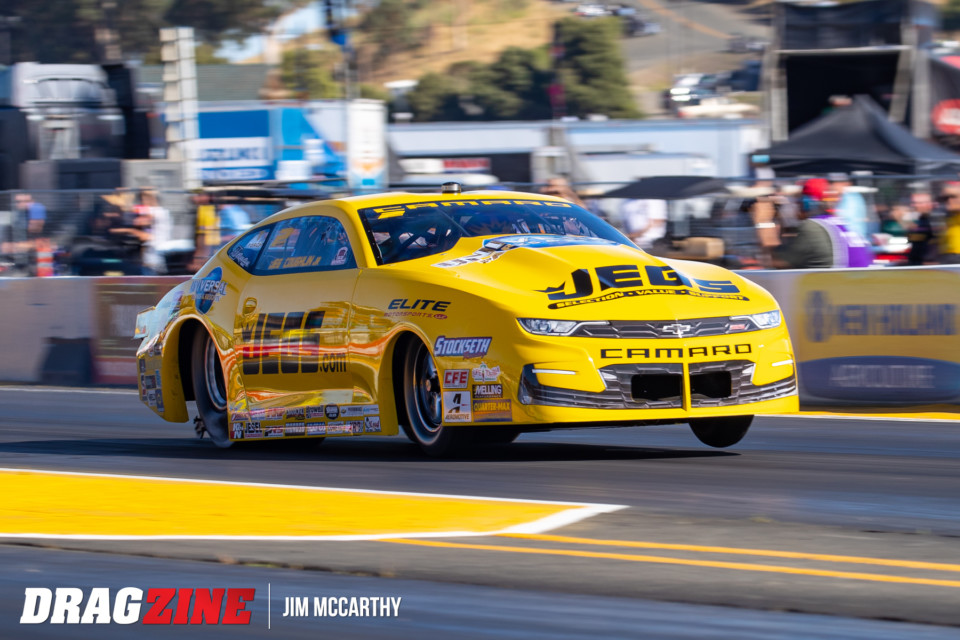
Getting the most traction possible is important, but a frontend that isn’t sorted out will cause its own share of problems on the track.
John McCrory from
Aurora Bearing Company puts things into perspective when it comes to what kinds of problems worn tie rod ends can cause in drag racing.
“Think of this: looking for that last fraction of a tenth, you set a perfect front end alignment to minimize tire scrubbed caused by front toe. Yet, that perfect static alignment is spoiled by dynamic toe change from sloppy rod ends. Another aspect of worn steering rod ends you need to think about is top end control of the car on deceleration. You want a car to launch straight and often focus on the rear suspension to ensure the car launches this way. What about when you’re slowing the car at the top end, especially if you rely on brakes to bring the speed down? Again, the car should track true, and not dart. Worn tie rods can cause your road car to dart under braking, and they also cause it at the track,” McCrory explains.
Worn tie rods will cost you elapsed time going down the track and make your car a handful to drive at the top end.