The lifter bleed down rate (which is directly related to effective stiffness and dynamic stability of the lifter assembly, as well as the speed at which the lifter can adjust itself) is probably the most important factor in hydraulic lifter design. “The tolerances between the inner lifter piston and the inner walls of the lifter body are the most tightly controlled dimensions in a modern engine. In other words, trying to make the hydraulic system work accurately and consistently at high-RPM is definitely the place you start on any hydraulic roller or flat tappet lifter.”We asked Godbold if there are any innovations on the horizon that enthusiasts can look forward to. He told us there were plenty already on the shelves that folks might not be aware of, and even more exciting technology coming in the near future.
“There are some really awesome new ideas coming out in new profile designs, lighter components (to lower the loads on the hydraulic system), and new valvesprings which are all rapidly evolving. The improvements in measuring the bleed down and dynamic characteristics of hydraulics are also improving current designs.”
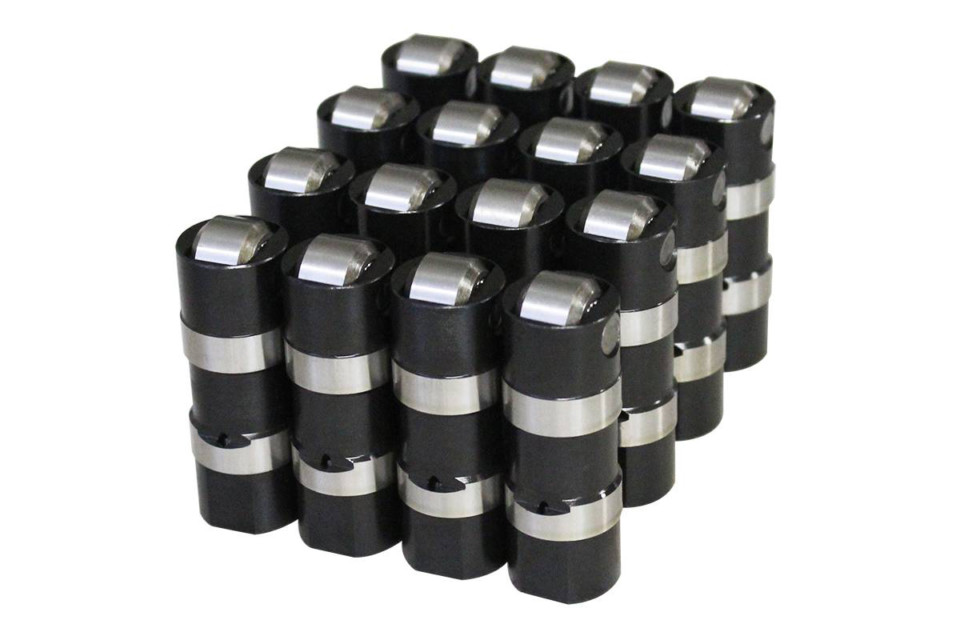
One interesting concept is illustrated in Howards’ “Variable Duration” hydraulic lifters, pictured here for the Ford 5.0L. Advertised as reducing duration by 10-degrees under 3,000 rpm, they intentionally exploit an attribute of hydraulic lifters that most companies are fighting against.
“Additionally, guys like Lake Speed at Driven are working on oil formulations that more effectively shed the micro-bubbles in oil-reducing aeration. Together, all of these are greatly increasing the safe RPM range of hydraulic systems. We have a 6.0-liter LS engine that has been above 9,000 rpm over 200 times on the dyno at Comp Cams!”“The components people choose for their build are often not all from one manufacturer, and that is part of the fun of racing and building hot rods,” says Herheim. “Unfortunately, it can also become a problem if the components are not suited to work well with each other. The key to getting the valvetrain to be faithful is having well-matched components for the required purpose.”
After talking it over with some great guys who work on high-end valvetrain components for a living, it sure seems like hydraulic lifter pump-up is a rare occurrence, although it remains a remote possibility. Like most concerns in the realm of higher-end engine building, a little bit of research, and careful selection and matching of components should be all it takes to ensure it never happens to you.Consequently, your choice of valvesprings is just as critical, and may be responsible for more of the blame being tossed at the hydraulic lifters when an engine creeps into high-RPM territory and suddenly stops making power or gaining any more speed.
Finally, we can safely conclude that today’s modern hydraulic lifters are entirely capable of high-RPM use with more aggressive cam profiles than ever before. If you consult directly with your manufacturer of choice, it’s entirely possible to source a hydraulic lifter-based valvetrain package capable of touching 9,000 rpm reliably. That means plenty of big time fun without the constant need to check or reset lash, and know that with the right combination of parts, pump up is kept in check at the same time.
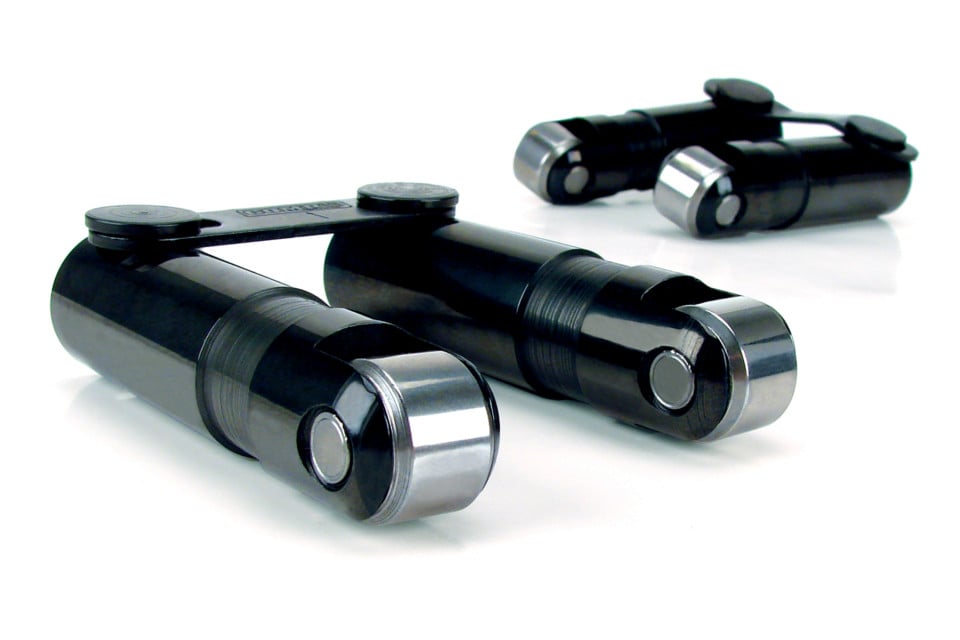
In addition to their oil control capabilities and wide roller bearing surfaces, the latest tall hydraulic roller lifters from COMP feature coatings designed to minimize friction in the lifter bore. This minimizes both heat and wear.