There are still common misconceptions about carbon fiber driveshafts out there and Kass explains why these can be put to rest.“The most common misconception is that carbon fiber driveshafts will not stand up to high-performance applications. With older technology, that may have been true; most driveshafts were manufactured with sub-standard materials and essentially were made using a tube-and-glue method. Because we control every step of the manufacturing process, wind our own carbon fiber tube for given applications, and perform countless testing with all levels of drag racing and countless laps on asphalt and dirt circle track racing, I truly believe we have disproven any misconceptions about our driveshaft performance.”So, how can a carbon fiber driveshaft help a car’s driveline that’s making big horsepower? There are several different ways; one of the biggest is the efficiency upgrade it can offer a driveline. There are so many parts being used in a driveline that lower resistance that includes gun-drilled axles to lightweight transmission parts. A carbon fiber driveshaft fits into that ecosystem by lowering the overall rotating mass of the driveline.
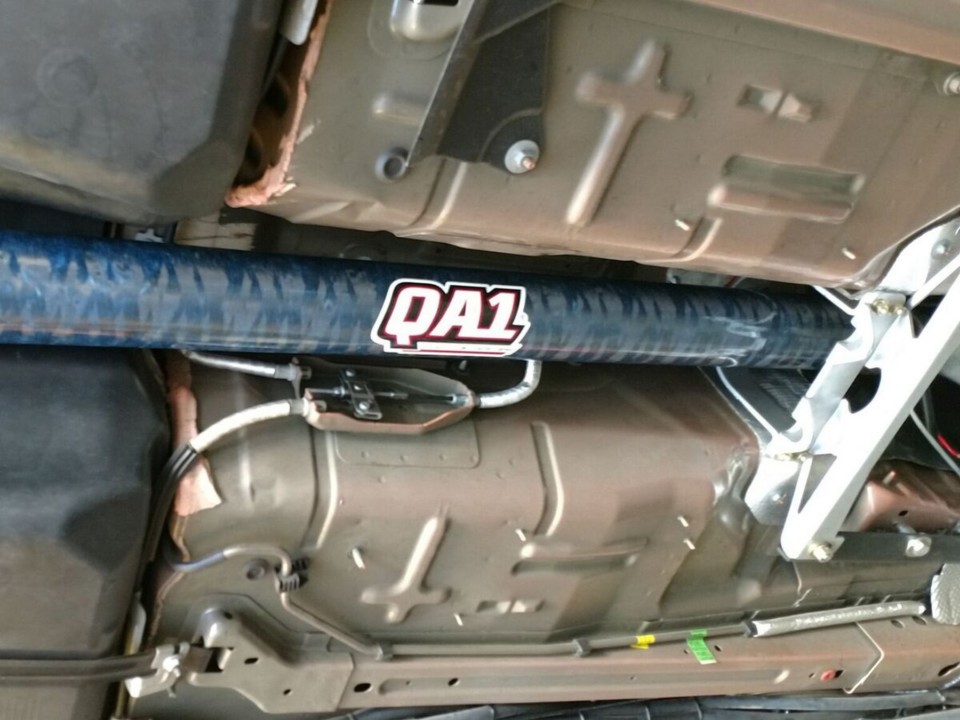
Kass adds some additional information as to how a carbon fiber driveshaft can increase performance.“Depending on the tube design, composite driveshafts can have a relatively soft torsional spring rate that will absorb torque spikes to the rest of the driveline components. This is beneficial for driveline component durability as well as reduced torque spikes to the rear tires during launch and shift points. This all results in increased traction and lower E.T. and 60-foot times.”So the next time you’re thinking about upgrading some driveline parts don’t overlook the idea of using a carbon fiber driveshaft. Selecting the right unit will help all the horsepower being created by your engine reach the rear tires quicker and in a more efficient manner and that will lead to more smiles every time you smash the gas pedal to the floor.