[h=2]The COPO Camaro, Strange Engineering, and Suspension Technology[/h]

By
Jason Reiss
The original Chevrolet COPO Camaro program came into existence in the 1969 model year – quite coincidentally, the same year as the most sought-after Camaro bodystyle in the eyes of enthusiasts.
Thanks to an internal Chevrolet corporate edict, the company was banned from installing engines larger than 400 cubic inches into any of their cars that year, but dealers like Don Yenko were installing 427′s already. The Central Office Production Order process typically used for fleet vehicles like taxis made an end-run around the corporate engine-limit ban, and the COPO Camaro was born.
COPO 9561 allowed dealers like Yenko to order the L72 big-block engine, and somewhere around 1,000 Camaros were produced with this option that made 425 horsepower. But it was COPO 9560 that made all the noise – thanks to the exploits of NHRA racer Dick Harrell. An all-aluminum 427-cube big-block called the ZL-1 was front-and-center in the engine bay; the COPO Camaro with this option was designed to dominate NHRA Super Stock drag racing. The hand-built ZL-1 engine was capable of over 500 horsepower with mild tuning changes from as-delivered form, and set the stage for today’s run of
modern COPO cars.
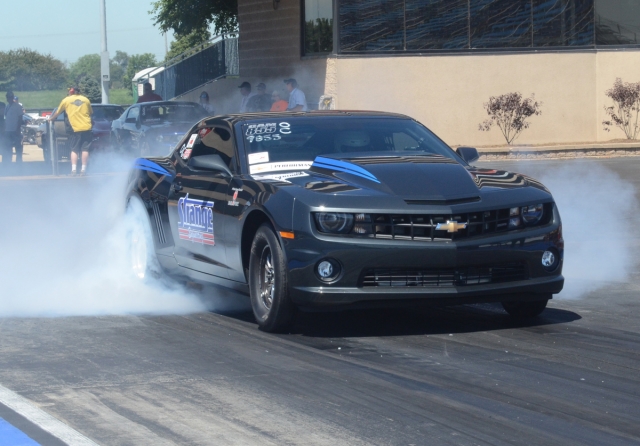
Jeremy Curran’s Strange Engineering-sponsored COPO Camaro in NMCA action.
Today’s COPO Camaro uses current technology housed in a modern chassis and has been designed by Chevrolet to – yep, you guessed it – dominate NHRA Stock and Super Stock Eliminator classes from the outset. But in order to be legal, the cars needed to adhere to a particular set of rules that the other “factory racecars” such as the Mustang Cobra Jet and Dodge Drag Pak Challenger also abide by.
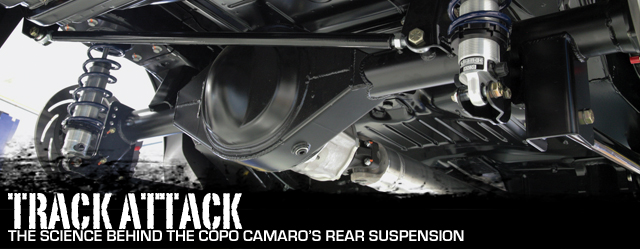
The decision was made internally to install a solid rear axle to better handle the rigors of drag racing, as the production-level fifth-gen Camaro uses an independent rear suspension. It required some crafty engineering on the part of
Chevrolet Performance and their chosen rearend provider, none other than legendary motorsports company
Strange Engineering. The COPO’s suspension was designed with the help of noted drag-racing chassis builder
Mike Pustelny of MPR Race Cars. Read on for the science behind the build as we go all-in to disclose the details.